Working in Controlled Hazardous Atmospheres: Risks, Industrial Contexts, and Evidence‑Based Safety Practices
Abstract
Hazardous atmospheres represent one of the most critical threats in industrial operations, particularly in sectors involving confined spaces, chemical processes, hydrocarbons, wastewater treatment, and underground work. This article provides a technical and bibliographic review of controlled hazardous atmospheres, including definitions, common industrial environments, risk mechanisms, monitoring strategies, and operational controls. The goal is to strengthen organizational understanding and support the development of safer, more reliable work systems.
1. Introduction
Working in controlled hazardous atmospheres requires a high level of technical discipline, as these environments can rapidly become life‑threatening. A hazardous atmosphere may contain toxic gases, flammable vapors, oxygen deficiency, corrosive agents, or biological hazards. These conditions are often invisible, odorless, and unpredictable, making them especially dangerous without proper monitoring and controls.
Industrial literature consistently highlights that most fatalities in confined or hazardous atmospheres occur due to lack of atmospheric testing, inadequate ventilation, improper rescue attempts, and failure to follow permit‑to‑work procedures. This article synthesizes the most relevant concepts to support safe operations.
2. What Is a Hazardous Atmosphere?
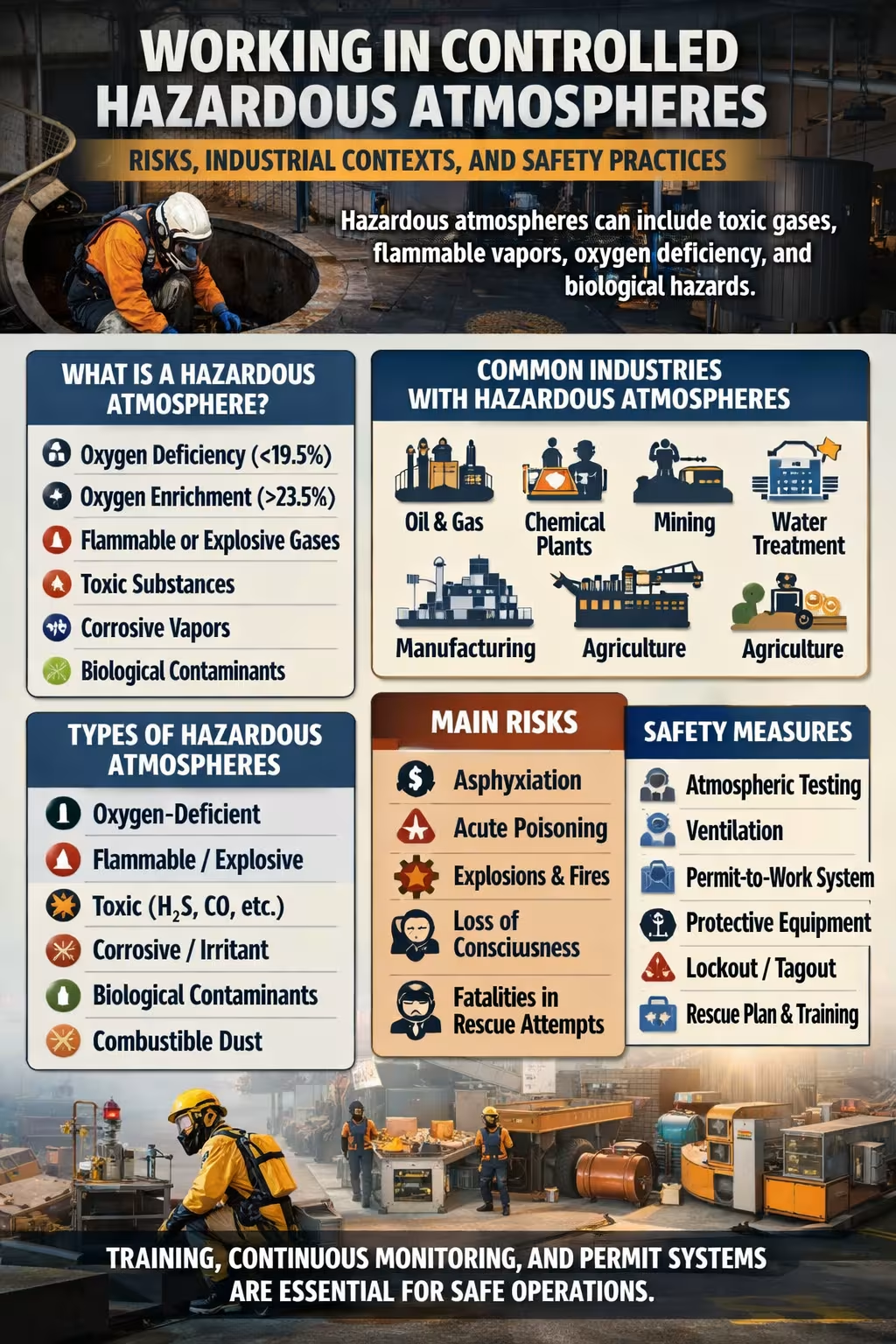
A hazardous atmosphere is any environment where the air composition poses an immediate or potential threat to life, health, or operational integrity. According to international safety guidelines, an atmosphere is considered hazardous when it presents one or more of the following conditions:
- Oxygen deficiency (below 19.5%)
- Oxygen enrichment (above 23.5%)
- Flammable or explosive gases/vapors
- Toxic substances exceeding permissible exposure limits
- Corrosive or irritant vapors
- Biological contaminants
- Combustible dust concentrations
These definitions align with technical standards and safety regulations used globally.
3. Industrial Fields Where Hazardous Atmospheres Are Most Common
3.1 Oil and Gas Industry
- Storage tanks
- Separators and treaters
- Pipelines and process vessels
- Pits, sumps, and flare systems
Hydrocarbon vapors, H₂S, and oxygen displacement are frequent hazards.
3.2 Chemical and Petrochemical Plants
- Reactors
- Distillation columns
- Mixing and blending areas
- Chemical storage rooms
Toxic vapors and reactive atmospheres are common.
3.3 Mining and Underground Operations
- Tunnels
- Shafts
- Ventilation‑restricted zones
Methane, CO, and oxygen deficiency are critical risks.
3.4 Water and Wastewater Treatment
- Sewers
- Wet wells
- Digesters
- Pump stations
Biological hazards, H₂S, and oxygen depletion are typical.
3.5 Manufacturing and Metalworking
- Paint booths
- Furnaces
- Silos and hoppers
Solvent vapors and combustible dusts are key concerns.
3.6 Agriculture and Food Processing
- Grain silos
- Fermentation chambers
- Cold storage rooms
CO₂ accumulation and dust explosions are recurrent hazards.
3.7 Construction and Civil Works
- Tunnels
- Deep excavations
- Utility vaults
Atmospheric instability and gas intrusion are common.
4. Types of Hazardous Atmospheres
Technical literature classifies hazardous atmospheres into several categories:
- Oxygen‑deficient atmospheres
- Oxygen‑enriched atmospheres
- Flammable or explosive atmospheres
- Toxic atmospheres (H₂S, CO, NH₃, solvents)
- Irritant or corrosive atmospheres
- Biologically contaminated atmospheres
- Atmospheres with reactive chemical potential
- Atmospheres with combustible dust
Each type requires specific monitoring and control strategies.
5. Risk Mechanisms and Consequences
Hazardous atmospheres can cause:
- Rapid loss of consciousness
- Asphyxiation
- Acute poisoning
- Chemical burns
- Pulmonary damage
- Explosions and fires
- Fatalities during unplanned rescue attempts
Studies show that over 50% of fatalities in confined spaces occur among would‑be rescuers, highlighting the need for structured rescue plans.
6. Control Measures and Safe Work Practices
6.1 Atmospheric Testing and Continuous Monitoring
Essential parameters include:
- Oxygen concentration
- Lower Explosive Limit (LEL)
- Toxic gas levels (H₂S, CO, VOCs, etc.)
Continuous monitoring is mandatory in dynamic environments.
6.2 Ventilation
- Natural or mechanical ventilation
- Dilution of contaminants
- Prevention of gas accumulation
Ventilation must be verified before and during entry.
6.3 Permit‑to‑Work System
A robust permit includes:
- Hazard identification
- Isolation of energy sources
- Atmospheric testing results
- Roles and responsibilities
- Emergency and rescue plan
6.4 Personal Protective Equipment
Depending on the hazard:
- Respiratory protection
- Chemical‑resistant clothing
- Fall protection systems
- Intrinsically safe equipment
6.5 Isolation and Lockout/Tagout
Mechanical, electrical, hydraulic, and chemical isolation prevent unexpected releases.
6.6 Rescue and Emergency Preparedness
A rescue plan must be:
- Pre‑established
- Practiced
- Equipped with proper retrieval systems
- Performed by trained personnel only
Improvised rescue is one of the leading causes of fatalities.
7. Conclusions
Working in controlled hazardous atmospheres requires a combination of technical knowledge, rigorous procedures, and continuous monitoring. Evidence from industrial incidents demonstrates that most accidents are preventable through proper atmospheric testing, ventilation, isolation, and disciplined permit‑to‑work systems.
Organizations that invest in training, culture, and standardized procedures significantly reduce the likelihood of catastrophic events and strengthen operational reliability.
8. Bibliographic References
- Mutual de Seguridad. Technical Guide for Work in Confined Spaces.
- STPS Mexico. PROY‑NOM‑033‑STPS‑2014: Safety for Work in Confined Spaces.
- INSST Spain. NTP 223: Work in Confined Spaces.
Comments