Self-Knowledge and Human Development: A Path to Achieving Personal and Professional Potential
Self-knowledge is one of the fundamental competencies for holistic development. Understanding who we are, how we think, what emotions arise in different contexts, and which values guide our actions allows us to build a life that is coherent, balanced, and purposeful. Far from being an abstract concept, self-knowledge has become a cornerstone of modern psychology, emotional intelligence, and professional growth.
🧩 The Nature of Self-Knowledge
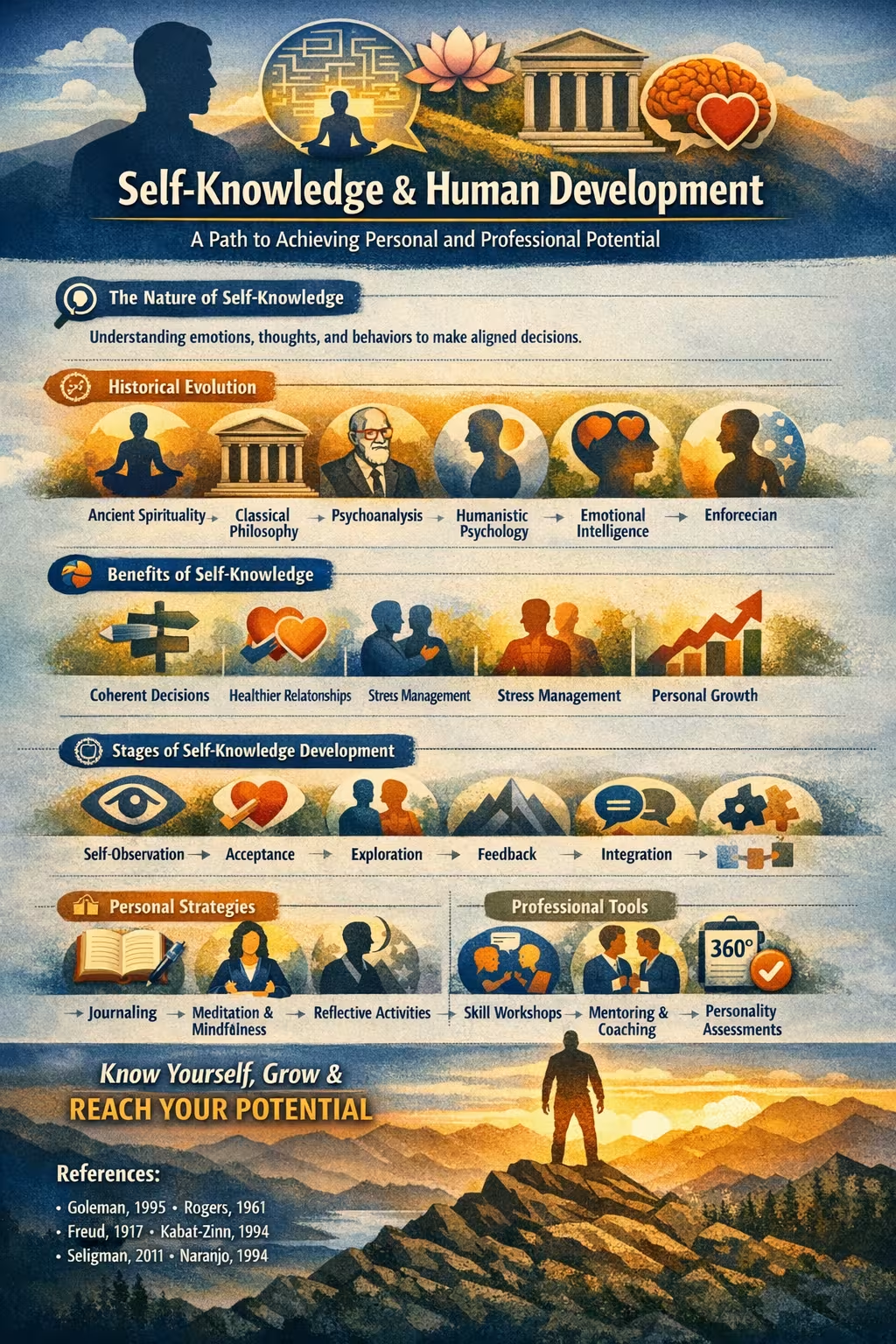
Self-knowledge involves identifying emotions, thoughts, motivations, strengths, limitations, and behavioral patterns. This introspective process enables more aligned decision-making and helps us understand why we react in certain ways. Recognizing, for instance, a tendency toward impatience under pressure opens the door to developing emotional regulation strategies and improving relationships.
🕰️ Historical Evolution of the Concept
The idea of self-knowledge has been explored across cultures and disciplines:
- Ancient Spiritual Traditions: Practices such as meditation view self-awareness as a path to mental clarity and inner peace.
- Classical Philosophy: In ancient Greece, introspection was linked to virtue and the pursuit of happiness.
- Psychoanalysis: The exploration of the unconscious revealed how internal conflicts shape behavior.
- Humanistic Psychology: Emphasized authenticity, acceptance, and growth toward an “ideal self.”
- Emotional Intelligence: Integrated self-awareness as a key skill for managing emotions and building healthy relationships.
- Contemporary Approaches: Today, self-knowledge is seen as a practical skill for decision-making, well-being, and professional performance.
🌱 Benefits of Self-Knowledge
The impact of self-knowledge extends across multiple dimensions of life:
- Coherent Decision-Making: Enables choices aligned with personal goals and values.
- Healthier Relationships: Fosters empathy and effective communication.
- Stress Management: Helps identify emotional triggers and address them constructively.
- Personal Growth: Encourages continuous improvement and skill development.
🔍 Phases of Developing Self-Knowledge
Although there is no universal model, several psychological perspectives highlight key stages:
- Self-Observation: Reflecting on daily emotions, thoughts, and behaviors.
- Acceptance: Recognizing strengths and weaknesses without judgment.
- Exploration: Engaging in new experiences to observe reactions and learning.
- Feedback: Incorporating external perspectives to broaden self-understanding.
- Integration: Applying insights to make conscious, value-driven decisions.
💡 Areas Where Self-Knowledge Makes a Difference
- Personal: Strengthens self-esteem and clarifies life goals.
- Emotional: Facilitates the management of complex emotions and promotes lasting well-being.
- Professional: Enhances productivity, communication, and leadership.
- Interpersonal: Builds empathy and fosters respectful, meaningful connections.
🛠️ Strategies to Cultivate Self-Knowledge
In Personal Life
- Journaling: Writing about thoughts and emotions to identify patterns.
- Meditation and Mindfulness: Observing mental processes without judgment.
- Reflective Activities: Guided exercises that explore beliefs and behaviors.
- Therapeutic Support: Professional guidance to explore emotions and limiting beliefs.
In Professional Settings
- 360° Evaluations: Comprehensive feedback from peers, supervisors, and subordinates.
- Skill Development Workshops: Training in emotional intelligence, leadership, and stress management.
- Mentoring and Coaching: Personalized guidance for career growth and decision-making.
- Personality and Skill Assessments: Tools like MBTI or DISC to understand work styles and preferences.
📘 Conclusion
Self-knowledge is not a destination but a continuous process that fosters clarity, authenticity, and purpose. Practicing it strengthens adaptability, enhances relationships, and improves performance in all areas of life. In a dynamic and demanding world, knowing oneself becomes a strategic advantage for achieving well-being and reaching one’s full potential.
📚 References
- Goleman, D. (1995). Emotional Intelligence. Bantam Books.
- Rogers, C. (1961). On Becoming a Person. Houghton Mifflin.
- Freud, S. (1917). Introductory Lectures on Psychoanalysis.
- Kabat-Zinn, J. (1994). Wherever You Go, There You Are. Hyperion.
- Seligman, M. (2011). Flourish. Free Press.
- Naranjo, C. (1994). La vieja y novísima gestalt. Cuatro Vientos.
Comments