
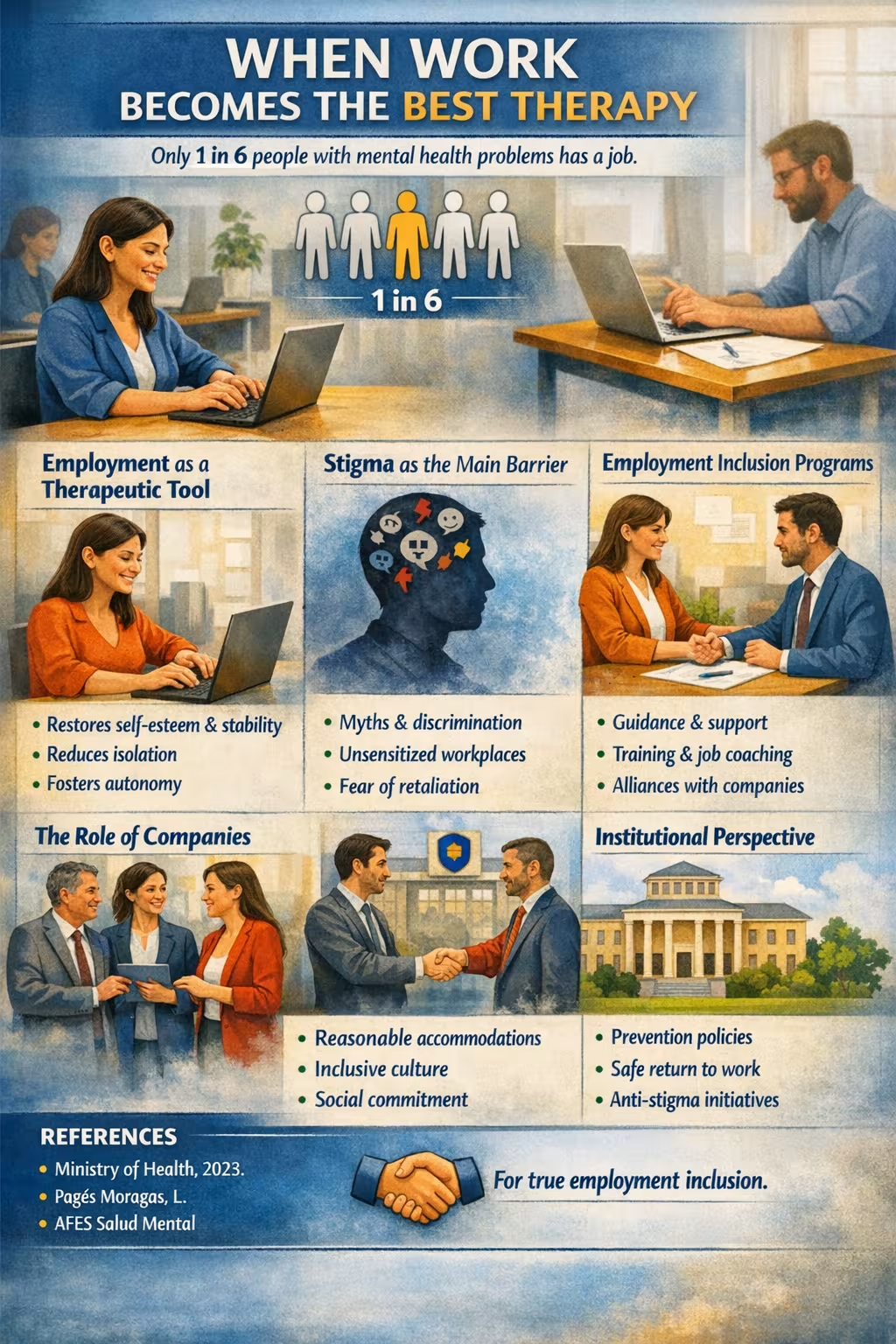
WHEN WORK BECOMES THE BEST THERAPY
To say that employment can become the best therapy is to recognize that work is not only a source of income but also a pillar of identity, stability, and emotional recovery. For people with mental health conditions, gaining access to decent work can mean the difference between exclusion and full reintegration into society. Yet, only one in six people with mental health problems has a job, a figure that reflects structural barriers, stigma, and the lack of inclusive policies.
🌿 Employment as a Therapeutic Tool
Work provides structure, purpose, social interaction, and a sense of contribution—all essential elements for psychosocial recovery. Organizations such as AFES Salud Mental emphasize that a stable work environment integrates, empowers, and enhances well-being, becoming a fundamental support in the recovery process.
Key benefits include:
- Restoration of self-esteem and sense of usefulness
- Emotional stability through healthy routines
- Reduction of social isolation
- Greater economic and personal autonomy
- Fewer relapses associated with inactivity and exclusion
🧱 Stigma as the Main Barrier
Despite the evidence, prejudices persist that wrongly associate mental health problems with low productivity or workplace risk. These myths lead to discrimination in recruitment and hinder job retention.
Stigma manifests through:
- Fear of hiring due to lack of understanding
- Absence of reasonable accommodations
- Unsensitized work environments
- Silence and concealment by employees fearing retaliation
Open conversations about mental health at work have a transformative effect, especially when leaders and public figures share their experiences, helping to normalize the topic.
🔧 Employment Inclusion Programs: A Key Strategy
Specialized employment inclusion programs are essential to break the cycle of exclusion. These initiatives:
- Offer personalized guidance and continuous support
- Design integrated pathways adapted to each person’s pace
- Build alliances with socially responsible companies
- Provide training, coaching, and job maintenance assistance
People with certified disabilities can also access specific incentives and support, though stigma still limits their employability.
🏢 The Role of Companies: From Responsibility to Opportunity
Organizations have both the capacity and the duty to create inclusive workplaces. Good practices include:
- Reasonable adjustments in tasks, schedules, or workloads
- A culture of open, non-punitive communication
- Mental health training for managers and teams
- Collaboration with specialized employment entities
An inclusive approach is not only ethical—it improves productivity, reduces turnover, and strengthens internal cohesion.
🧭 Institutional Perspective and Public Policy
Official documents from the Ministry of Health highlight that work is a key social determinant of mental health, and employment inclusion must be addressed structurally, not merely clinically.
Policies should focus on:
- Prevention of psychosocial risks
- Workplace adaptations and safe return-to-work processes
- Monitoring the impact of employment on mental health
- National strategies for awareness and anti-stigma efforts
📚 References (APA Format)
Ministry of Health. (2023). Mental Health and Work: Preventive Proposals in the Workplace. Government of Spain.
Pagès Moragas, L. (n.d.). Incorporation of People with Mental Health Problems into the Labor Ecosystem: Myths, Realities, and Keys to Success. SOM Salud Mental 360.
AFES Salud Mental. (n.d.). Employment: A Right that Integrates, Empowers, and Promotes Well-being. AFES Salud Mental.
- Log in to post comments
Comments